
The Japanese match holder aesthetic transcends mere practicality, embodying centuries of artistry and cultural significance. From intricate carvings to meticulously chosen materials, these small objects offer a glimpse into the profound beauty and symbolism inherent in Japanese design. More than just tools for lighting, they are miniature works of art, reflecting the nation’s enduring appreciation for aesthetics and craftsmanship.
This exploration delves into the key characteristics, including the common materials, diverse design elements, color palettes, and the rich symbolism embedded within Japanese match holder designs. We’ll also examine the historical influences, practical applications, and modern interpretations of this fascinating aesthetic.
Defining the Aesthetic
The “Japanese match holder aesthetic” encompasses a distinctive visual language deeply rooted in Japanese design principles and cultural values. Beyond simply holding matches, these objects often become miniature works of art, reflecting the country’s rich history and artistic traditions. This aesthetic prioritizes meticulous craftsmanship, symbolic imagery, and a harmony between form and function.This aesthetic, while often associated with traditional Japanese design, has also evolved and adapted to contemporary sensibilities.
The use of materials, shapes, and motifs can vary, but a consistent thread of elegance, simplicity, and cultural resonance remains. This article will explore the key elements that define this aesthetic, including its visual characteristics, cultural influences, and symbolic meanings.
Visual Characteristics
The visual characteristics of Japanese match holders often highlight a commitment to simplicity and elegance. Materials frequently employed include lacquered wood, brass, or ceramic, showcasing meticulous craftsmanship and a focus on texture and finish. Shapes range from minimalist rectangular forms to more elaborate designs inspired by traditional Japanese motifs. Colors frequently reflect the natural world, incorporating earthy tones like browns, greens, and blacks, or subtle hues representing seasonal changes.
Decorative elements, when present, are often subtle and carefully integrated into the design, never overwhelming the overall form. The emphasis is consistently on the quality of the materials and the meticulous execution of the craft.
Cultural and Historical Influences
The aesthetic is deeply influenced by centuries of Japanese artistic and cultural traditions. The principles of wabi-sabi, emphasizing the beauty of imperfection and the transience of nature, often manifest in the design of these objects. The influence of Zen Buddhism, with its emphasis on simplicity and meditation, can also be observed in the serene forms and muted color palettes.
Traditional Japanese motifs, such as stylized floral patterns, flowing lines, and geometric shapes, often appear as decorative accents, evoking a sense of harmony and tranquility. The rich history of Japanese craftsmanship, including lacquerware and metalworking techniques, is evident in the exquisite attention to detail in these match holders.
Symbolism and Imagery
Japanese match holder designs frequently incorporate symbolism reflecting cultural values and beliefs. The use of specific motifs, such as cherry blossoms or bamboo, can represent themes of beauty, resilience, and the ephemeral nature of life. The choice of materials and the meticulous craftsmanship also convey a sense of respect for the natural world and the value of traditional techniques.
For example, a match holder crafted from meticulously polished wood might suggest a deep appreciation for natural beauty, while a design featuring intricate lacquer work could represent the dedication to craftsmanship. The overall design often conveys a subtle and nuanced message, inviting contemplation and appreciation of the artistry.
Examples of Design
A common example of this aesthetic is a match holder made from polished cherry wood, featuring a subtle carving of a stylized bamboo stalk. The natural grain of the wood is emphasized, and the bamboo carving is simple yet evocative of the natural world. Another example might be a brass match holder with a hammered surface, displaying a subdued floral pattern, which conveys the artistic sensibility and meticulous craftmanship of Japanese artisans.
Material and Design Considerations
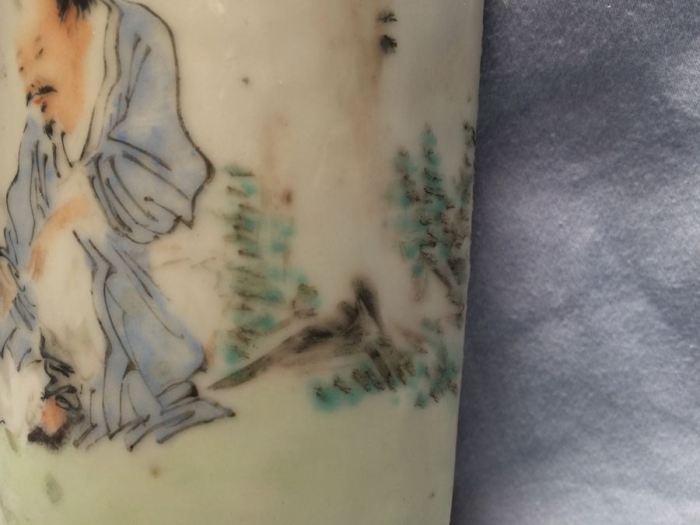
Japanese match holders, often imbued with a sense of artistry and practicality, showcase a fascinating interplay of materials and design. Their aesthetic speaks volumes about the cultural emphasis on craftsmanship, attention to detail, and the harmonious integration of form and function. This exploration delves into the common materials, diverse design elements, and the interplay of form and function in these miniature works of art.The choice of materials in Japanese match holders reflects a deep-rooted connection to the natural world and a commitment to sustainable practices.
Traditional materials, such as wood, lacquer, and metal, are frequently employed, each lending its unique properties to the overall aesthetic. The selection and treatment of these materials often contribute significantly to the holder’s perceived value and beauty.
Common Materials and Their Significance
Japanese match holders frequently utilize a variety of materials, each with its unique aesthetic and functional qualities. Wood, often sourced from locally available hardwoods, is a cornerstone of many designs. Its natural grain and subtle variations in color contribute to the holder’s visual appeal. Lacquer, a traditional Japanese finish, is frequently applied to enhance the wood’s beauty and provide a protective layer.
Metal, such as brass or bronze, adds a sense of elegance and durability, often employed for intricate carvings or decorative accents. Porcelain, with its inherent translucence and subtle glaze, creates a unique aesthetic, particularly when combined with other materials.
Diverse Design Elements
Japanese match holders exhibit a wide range of design elements, reflecting the country’s rich artistic heritage. Intricate carvings, often depicting traditional motifs like flowers, animals, or landscapes, are a common feature. The application of lacquer, with its vibrant colors and smooth finish, adds another layer of complexity to the design. Geometric patterns, inspired by traditional Japanese aesthetics, further contribute to the visual appeal.
The careful consideration of proportions and symmetry ensures that the holder’s form complements its function.
Interplay of Form and Function
The design of Japanese match holders exemplifies the harmonious interplay between form and function. The shape and size of the holder are often tailored to the intended use, ensuring a comfortable grip and a secure placement of the match. The decorative elements, while enhancing the holder’s aesthetic appeal, do not detract from its practical function. The combination of form and function is a testament to the Japanese design philosophy of wabi-sabi, appreciating the beauty in imperfection and the inherent simplicity of natural materials.
Comparison of Design Styles
Different design styles within the Japanese match holder aesthetic reflect variations in cultural influences and artistic trends. For example, holders influenced by the Edo period often feature more intricate carvings and a greater emphasis on symbolism. Later styles may incorporate elements of modernism or minimalism, showcasing a shift in aesthetic preferences. The subtle variations in style, often manifested in the choice of materials, decorative motifs, and overall form, contribute to the rich tapestry of Japanese match holder design.
Material Characteristics Table
| Material | Visual Characteristics | Texture | Durability |
|---|---|---|---|
| Wood (e.g., cherry, maple) | Natural grain patterns, variations in color | Warm, often slightly rough | Generally durable, depending on the type of wood and finish |
| Lacquer | Smooth, glossy finish, rich color palette | Smooth, polished | Highly durable, protective |
| Metal (e.g., brass, bronze) | Metallic sheen, potential for intricate carvings | Smooth, cool to the touch | Very durable, resistant to wear |
| Porcelain | Translucent, delicate, often with glaze | Smooth, often cool to the touch | Durable, though more fragile than wood or metal |
Color Palettes and Visual Harmony
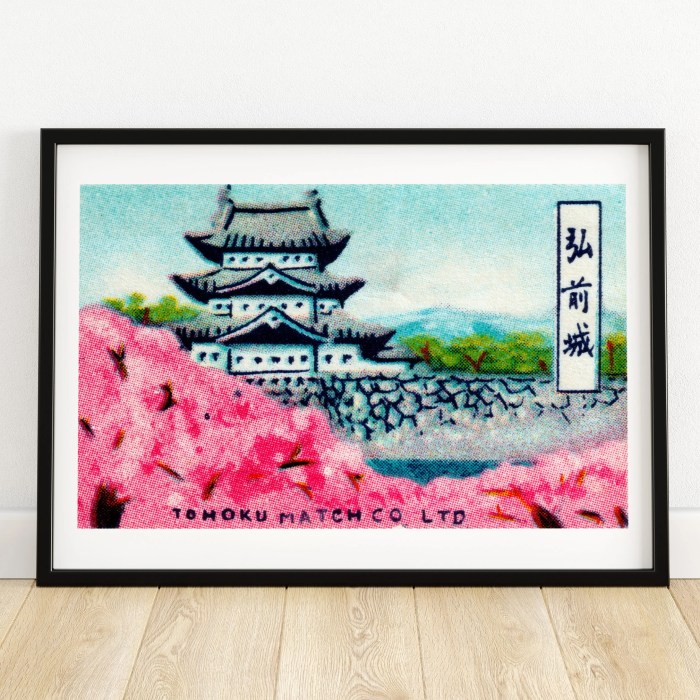
Japanese match holders, often miniature works of art, meticulously utilize color palettes to evoke specific cultural associations and emotions. These subtle nuances in hue and tone play a crucial role in defining the aesthetic, reflecting the rich tapestry of Japanese design sensibilities. From earthy tones to vibrant accents, the selection of colors is carefully considered to create a harmonious and evocative experience.The color palettes employed in Japanese match holders frequently draw inspiration from nature, reflecting the deep connection between humans and the natural world in Japanese culture.
This connection manifests in the use of subdued, calming hues that evoke a sense of tranquility and serenity. The interplay of colors, often achieved through subtle gradations and harmonious combinations, creates a visual language that speaks to the cultural heritage of Japan.
Typical Color Palettes
Traditional Japanese aesthetics often favor subdued and natural color palettes. These include shades of brown, green, and gray, derived from materials like wood, bamboo, and stone. A common practice is to use a limited color palette, allowing the natural beauty of the materials to take center stage. The muted tones contribute to the overall sense of elegance and sophistication often associated with Japanese design.
Color Combinations for the Aesthetic
Specific color combinations are employed to enhance the “Japanese match holder aesthetic.” These combinations frequently feature a harmonious balance between warm and cool tones, creating a visual equilibrium that mirrors the balance sought in Japanese philosophy. The use of complementary colors, or colors that sit opposite each other on the color wheel, can create a striking contrast, yet still maintain a sense of unity.
This balance is key to the overall visual harmony of the match holder.
Role of Color in Conveying Emotions and Cultural Associations
Color in Japanese design often carries specific emotional and cultural connotations. For example, deep greens can symbolize nature and tranquility, while reds can represent energy and vibrancy. The specific shades and combinations used in match holders will subtly communicate these feelings to the viewer. This subtle language of color is integral to conveying the Japanese aesthetic of harmony, serenity, and respect for tradition.
Examples of Color Palettes
The following table showcases examples of color palettes that exemplify the Japanese match holder aesthetic. Each palette uses a limited range of colors, drawn from natural sources, and is carefully selected to create a harmonious and evocative impression.
| Color Swatches | Descriptions |
|---|---|
| Warm brown, reminiscent of aged wood or earth. | |
| Subdued gray, suggesting a sense of calm and timelessness. | |
| Rich, warm terracotta, representing the earth and nature. | |
| Soft green, evocative of nature and tranquility. |
Design Inspiration and Influences
Japanese match holders, beyond their practical function, offer a captivating glimpse into the nation’s rich artistic heritage. Their design often transcends simple utility, echoing centuries of aesthetic refinement and cultural symbolism. The meticulous attention to detail, the incorporation of traditional motifs, and the profound influence of artistic traditions contribute to the unique allure of these objects.
Potential Sources of Inspiration
Japanese match holders draw inspiration from a vast and deeply rooted artistic tradition. Traditional Japanese art forms, encompassing calligraphy, painting, and pottery, have profoundly shaped the aesthetics and design elements of these everyday objects. The influence of these arts is evident in the meticulous detail, the harmonious color palettes, and the symbolic representation found in many designs. The aesthetic often incorporates elements of nature, like flowing lines and delicate brushstrokes.
Influence of Traditional Japanese Art Forms
Traditional Japanese aesthetics, deeply rooted in Zen Buddhism and a profound appreciation for nature, play a crucial role in shaping match holder designs. The pursuit of harmony and balance, a cornerstone of Japanese aesthetics, is mirrored in the form and composition of the match holders. The emphasis on simplicity and understatement, often seen in traditional Japanese art, is reflected in the restrained elegance of many designs.
A focus on natural forms and textures, like bamboo or wood grain, is another consistent theme.
Japanese Calligraphy, Painting, and Pottery
Japanese calligraphy, with its flowing lines and distinctive characters, provides a source of inspiration for intricate patterns and decorative elements. Traditional Japanese painting, with its emphasis on subtle color palettes and evocative depictions of nature, lends itself to the creation of visually captivating match holders. Similarly, Japanese pottery, renowned for its craftsmanship and elegant forms, influences the shapes and materials used in match holder design.
The use of delicate glaze, for example, can be seen in the design of match holders that emulate the beauty of traditional pottery.
Traditional Japanese Patterns and Motifs
Traditional Japanese patterns and motifs, such as the iconic cherry blossom, bamboo, and the wave patterns of the sea, frequently appear in match holder designs. These motifs, deeply embedded in Japanese culture, often carry symbolic meaning, enhancing the aesthetic appeal and cultural significance of the objects. The careful selection and arrangement of these patterns contribute to the visual harmony and the overall artistic expression of the match holder.
Inspiration Table
| Inspiration Source | Design Element | Connection to Match Holder | Example |
|---|---|---|---|
| Japanese Calligraphy | Intricate patterns, flowing lines, distinctive characters | Embellishment, visual interest, subtle artistry | Curvilinear patterns on a simple rectangular match holder |
| Japanese Painting | Subtle color palettes, evocative nature scenes, delicate brushstrokes | Color schemes, representation of natural elements, artistic expression | Match holder with subtle watercolor-like depictions of a cherry blossom |
| Japanese Pottery | Elegant forms, use of glaze, natural materials | Shape, texture, refined aesthetic | Match holder with a ceramic-like finish and a rounded, minimalist form |
| Traditional Motifs (Cherry Blossom, Bamboo) | Symbolic patterns, natural imagery | Cultural significance, visual appeal, connection to nature | Match holder featuring a prominent cherry blossom motif |
Symbolism and Imagery
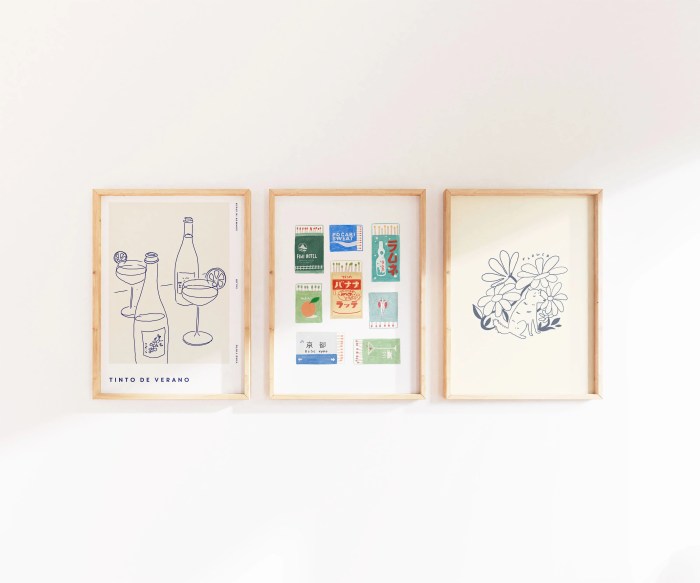
Japanese match holders, more than mere implements for lighting, often serve as miniature expressions of cultural aesthetics. The intricate designs frequently incorporate symbolic elements that resonate deeply with Japanese traditions, enriching the object’s meaning beyond its practical function. These symbolic representations, often drawn from nature, are meticulously crafted to evoke a sense of tranquility and harmony.The careful selection and arrangement of imagery in match holder designs convey profound cultural significance, shaping the piece into more than just a utilitarian item.
By understanding the symbolism embedded within these designs, one gains a deeper appreciation for the craftsmanship and the cultural context from which they emerge.
Nature-Inspired Symbolism
The pervasiveness of nature in Japanese aesthetics extends to match holder design. The use of natural motifs speaks to the profound respect and connection that Japanese culture has with the environment. Motifs often depict serene landscapes, emphasizing the harmonious relationship between humanity and nature.
- Mount Fuji: The iconic Mount Fuji, a symbol of majestic beauty and serenity, frequently graces match holder designs. Its presence evokes a sense of tranquility and reverence for the natural world, often positioned within a serene landscape. The mountain’s enduring presence in Japanese art speaks to its cultural significance as a powerful representation of nature’s enduring power and beauty.
- Bamboo: Bamboo, with its strength, flexibility, and resilience, symbolizes strength, adaptability, and endurance. Its elegant and graceful form is frequently employed in match holder designs, mirroring the values of strength and grace that are deeply ingrained in Japanese culture. A subtle curve in the bamboo stem can represent the natural flow and acceptance of life’s transitions.
- Cherry Blossoms (Sakura): The fleeting beauty of cherry blossoms represents the ephemeral nature of life and the importance of appreciating the present moment. Their delicate petals, bursting into vibrant color, are frequently incorporated into match holder designs to evoke a sense of beauty and impermanence. This delicate flower is often linked with springtime and the cyclical nature of life.
Flora and Fauna Representations
Japanese match holders often depict a range of flora and fauna, each carrying its own specific symbolic weight. These representations are meticulously crafted, reflecting the artist’s profound understanding of these elements and their cultural connotations.
- Chrysanthemum: The chrysanthemum, often depicted in match holder designs, symbolizes longevity and good fortune. Its rich symbolism reflects its importance in Japanese traditions and art. The exquisite details in its petals, for instance, might highlight the intricate balance between art and nature.
- Crane: The crane, a symbol of longevity and good fortune, is another frequent motif in match holder designs. Its gracefulness and powerful presence contribute to the evocative atmosphere of the piece. The crane’s image, often incorporated into the holder’s design, is frequently accompanied by other symbolic elements to create a rich tapestry of meaning.
- Pine: The pine tree, known for its resilience in harsh winter conditions, represents longevity, strength, and perseverance. Its sturdy branches and evergreen foliage are often depicted in match holder designs to signify these values. The pine tree’s symbolic representation is often tied to its ability to endure even in challenging environments.
Role of Symbolism in Evoking Atmosphere
The meticulous selection of symbolic imagery plays a crucial role in creating an evocative atmosphere within match holder designs. The combination of elements like Mount Fuji, cherry blossoms, and cranes contributes to a sense of serenity and tranquility. This deliberate choice of symbols imbues the simple act of lighting a match with a deeper layer of meaning, enriching the user’s experience.
Practical Applications and Uses
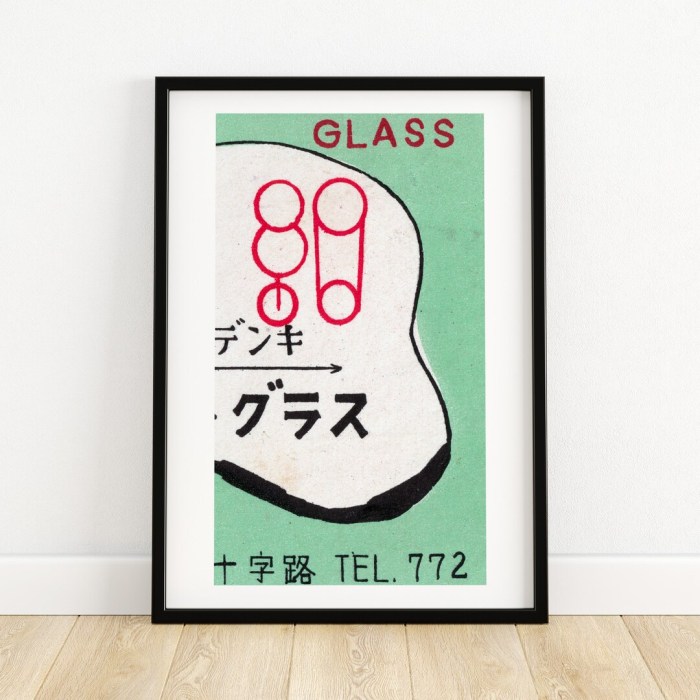
Beyond their aesthetic appeal, Japanese match holders offer a range of practical applications. Their compact design and often intricate craftsmanship make them more than just tools for lighting; they can seamlessly integrate into modern interiors as decorative accents, adding a touch of refined elegance to any space. From traditional settings to contemporary homes, the versatility of these holders allows for unique and personalized displays.Japanese match holders transcend their basic function, offering a delightful interplay of utility and artistry.
Their subtle presence in everyday life elevates the act of lighting a match to a more deliberate and thoughtful experience, reflecting a deeper appreciation for the craftsmanship and cultural significance inherent in these objects.
Everyday Use and Functionality
Japanese match holders, often crafted from materials like wood, porcelain, or metal, are designed for both practicality and aesthetic appeal. Their compact size makes them easily portable, facilitating their use in various settings, from a cozy living room to a traditional tea ceremony. The tactile quality of the material contributes to a more immersive experience, enhancing the ritual of lighting.
Decorative Display and Integration
Match holders can transform into stunning decorative elements, adding a unique personality to any space. Their intricate details and diverse designs—from minimalist to elaborate—offer a plethora of options for modern interior decor. The natural beauty of wood, the refined elegance of porcelain, or the bold statement of metal can seamlessly blend into various interior styles.
Incorporating Match Holders into Modern Interiors
The integration of Japanese match holders into modern interiors is surprisingly seamless. Their delicate forms and artistic details can be incorporated into a minimalist living room, adding a touch of subtle sophistication without overwhelming the space. In a contemporary dining room, a set of elegantly designed match holders can serve as a subtle statement piece, enhancing the ambiance and elevating the dining experience.
A simple grouping of match holders on a console table or mantelpiece can create a focal point, highlighting the beauty of their design. In a minimalist setting, a single, carefully selected match holder can become a conversation starter, drawing attention to its intricate craftsmanship and subtle artistry.
Examples of Diverse Applications
- Living Room: A set of wooden match holders, carefully arranged on a side table, adds a touch of warmth and elegance to a modern living room, complementing the surrounding decor.
- Dining Room: Elegant porcelain match holders, placed strategically on the dining table, add a refined touch to the dining experience, subtly enhancing the ambiance of the space.
- Bathroom: A small, decorative metal match holder, placed near a vanity, adds a touch of subtle sophistication to a contemporary bathroom, creating a stylish and functional accent.
- Study: A simple, wooden match holder placed on a desk can subtly add to the aesthetic and atmosphere of a home office, creating a welcoming and inspired workspace.
Modern Interpretations and Adaptations
The enduring appeal of Japanese aesthetics, particularly in the realm of match holders, lies in their ability to seamlessly blend traditional artistry with contemporary sensibilities. Modern designers are increasingly exploring ways to reinterpret these time-honored designs, infusing them with fresh perspectives and innovative materials. This fusion of tradition and modernity is creating unique and compelling pieces that resonate with a contemporary audience while honoring the rich heritage of Japanese craftsmanship.Contemporary designers are adapting traditional elements by exploring new materials and manufacturing techniques.
This involves not only the use of traditional materials like lacquer and bamboo but also the integration of modern materials like stainless steel, glass, and even resin. Furthermore, the emphasis on minimalism and clean lines, common in contemporary design, is often incorporated into the design of these modern match holders, resulting in a striking contrast with the more ornate and elaborate details of traditional pieces.
Examples of Contemporary Interpretations
Modern interpretations of Japanese match holder aesthetics often feature a streamlined aesthetic, employing sleek lines and minimal ornamentation. For instance, designers are incorporating geometric patterns and subtle color palettes, referencing traditional Japanese design principles like symmetry and balance, but in a contemporary format. The use of contrasting materials, such as a polished wood base with a metal striker, adds a contemporary touch without sacrificing the overall elegance.
A key example involves the use of recycled materials, like repurposed copper or tin, creating unique textures and patterns.
Adaptation of Traditional Elements
Contemporary designers are adapting traditional elements by introducing innovative techniques. For instance, the application of traditional lacquer techniques to modern materials, like stainless steel, results in a fusion of old and new. This approach allows the beauty of traditional Japanese lacquer to be experienced in a new context. Additionally, the use of laser-cutting techniques to create intricate patterns on metal or wood allows designers to achieve levels of detail that were previously unattainable in traditional methods.
Fusion of Traditional and Contemporary Styles
The fusion of traditional and contemporary styles in modern match holders is evident in the use of traditional motifs in a modern context. For instance, the incorporation of the iconic Japanese wave pattern, often seen in traditional pottery, might be translated into a subtle etched design on a metal match holder. This fusion allows the rich symbolism and cultural heritage of traditional Japanese design to resonate with contemporary sensibilities.
Evolution of the Aesthetic
| Traditional Period | Transitional Period | Contemporary Period | Modern Adaptation |
|---|---|---|---|
| Lacquer on wood, intricate carvings, symbolic imagery (e.g., cranes, waves). | Minimalist lines, use of metal, more streamlined shapes. | Sleek designs, use of contrasting materials, subtle incorporation of traditional motifs. | Integration of modern materials (resin, glass), laser-cut patterns, recycled materials. |
Visual Representations and Examples
Japanese match holders, imbued with a deep-rooted aesthetic, often mirror the country’s artistic sensibilities. These meticulously crafted objects, from simple to elaborate, offer a glimpse into traditional craftsmanship and modern interpretations. Their visual appeal transcends their functional purpose, acting as miniature expressions of Japanese design philosophy.
Match Holder Examples: Traditional Forms
Traditional Japanese match holders often draw inspiration from the natural world and minimalist design principles. Materials like lacquered wood, meticulously carved, frequently feature subtle, symbolic imagery. The visual harmony achieved through carefully selected materials and refined forms reflects the concept of “侘び寂び” (wabi-sabi), emphasizing the beauty of imperfection and transience.
- A match holder crafted from polished cherry wood, showcasing intricate grain patterns, might feature a subtle carving of a stylized plum blossom or bamboo stalk. The natural hues of the wood, accented by a simple, black lacquer finish, would create a sense of calm and serenity.
- Another example could be a match holder made from dark, oiled cedar wood, displaying a smooth, matte finish. The holder’s shape might be reminiscent of a small, elegant box, with no overt decoration, emphasizing the beauty of simplicity.
Match Holder Examples: Modern Interpretations
Contemporary match holders, while retaining a respect for traditional aesthetics, often incorporate innovative materials and design approaches. Modern artists might experiment with contrasting textures, vibrant colors, and unconventional shapes, whilst still maintaining a core sense of Japanese design principles.
- A match holder sculpted from polished metal, perhaps stainless steel or brass, might feature a geometric pattern or a minimalist design. The metal’s cool sheen and the sharp lines of the design would convey a sense of modern elegance.
- A match holder constructed from recycled materials, such as repurposed wood or paper, might showcase a raw, natural aesthetic. The imperfections in the material would be celebrated, reflecting a sustainable and mindful approach to design.
Visual Details: A Lacquered Wooden Match Holder
“A lacquered wooden match holder, featuring a subtle, hand-painted design of stylized cranes, exemplifies the harmonious blend of craftsmanship and symbolism. The rich, deep red lacquer complements the natural grain of the wood, creating a striking contrast.”
The match holder’s shape, a small, rectangular box, reinforces the elegance of its design. The delicate, yet bold, crane motif, rendered in a muted gold color, evokes a sense of serenity and longevity. The meticulous attention to detail in the lacquer application, showcasing a smooth, glossy surface, highlights the craftsman’s skill. The overall visual appeal is one of understated elegance and timeless beauty.
Visual Details: A Metal Match Holder
“A minimalist, stainless steel match holder, featuring a sleek, geometric form, embodies a modern interpretation of Japanese design principles. The material’s cool sheen contrasts with the simple lines of the holder, creating a contemporary aesthetic.”
The match holder’s smooth, polished surface, devoid of any overt ornamentation, emphasizes the beauty of simplicity. The geometric shape, possibly a truncated pyramid or a stylized rectangle, contributes to the modern aesthetic. The overall visual appeal is one of refined elegance and understated sophistication.
Cultural Context and Significance
Japanese match holders, beyond their practical function, hold a nuanced place in the country’s cultural fabric. Their design often reflects a deep-seated appreciation for aesthetics, craftsmanship, and symbolism, intertwined with the historical context of their use. More than just tools for lighting, they served as miniature expressions of Japanese artistry and tradition.
Historical Context of Match Holders
The introduction of matches significantly altered daily life in Japan, transitioning from the cumbersome and often dangerous methods of fire-starting. This transition, coupled with the increasing availability of matches, fostered the development of specific match holder designs, often reflecting the evolving aesthetic sensibilities of the time. This evolution was closely tied to broader social and technological shifts, demonstrating a dynamic interplay between utility and artistry.
Role in Rituals and Ceremonies
While not central to major rituals, match holders occasionally played a role in smaller, domestic ceremonies. Their use could be associated with the daily rituals of the home, often mirroring the broader reverence for order and harmony prevalent in Japanese culture. This association, though subtle, contributed to the match holder’s significance as an everyday object with cultural resonance.
The material, shape, and decoration could subtly signal the occasion or the status of the user.
Cultural Connotations
Match holders, like other domestic objects, frequently incorporated symbolic imagery. The use of specific motifs, such as flowers or animals, could evoke particular emotions or ideas, contributing to the overall cultural significance. The careful selection of materials and decorative elements served as a subtle form of communication within the social sphere, offering insight into the user’s values and aesthetic preferences.
Examples of this symbolism often appear in the choice of wood, metal, or ceramic, each material associated with different symbolic meanings.
Significance in Japanese Aesthetics
Japanese aesthetics frequently emphasized the beauty in simplicity and the art of understatement. Match holders, in their design, often embodied this philosophy. The elegant forms and subtle details reflected a commitment to craftsmanship and a sensitivity to the surrounding environment. This commitment to form and function, particularly in the use of wood or metal, was reflected in the meticulous construction and decorative patterns.
This aesthetic often blended the practical with the artistic, a recurring theme in Japanese design.
Comparison to Other Aesthetics
Japanese match holder aesthetics, rooted in centuries of artistic traditions, stand apart from other decorative match holder styles. Their unique blend of functionality and artistry, often incorporating intricate symbolism and natural motifs, distinguishes them from the more straightforward or purely decorative approaches found in other cultures. This comparison highlights the distinct characteristics of Japanese match holders, revealing both their similarities and differences with other traditions.
Contrasting Decorative Match Holder Styles
A comparative analysis of Japanese match holders reveals key distinctions in design philosophy and aesthetic principles. The intricate craftsmanship and often symbolic imagery differentiate them from other styles. This comparison is structured to illuminate the unique qualities that define Japanese match holders.
| Characteristic | Japanese Match Holders | European Match Holders | American Match Holders |
|---|---|---|---|
| Design Philosophy | Emphasizing balance, harmony, and often incorporating natural elements and symbolic imagery. Design often evokes a sense of tranquility and connection to nature. | Often more ornate and decorative, emphasizing intricate patterns and craftsmanship, frequently reflecting historical or cultural themes. Design elements may vary significantly from region to region. | Tend to be simpler in design, focusing on functionality and a more modern aesthetic. Common materials include plastic or metal, reflecting an emphasis on practicality. |
| Materials | Frequently utilizing wood, lacquer, porcelain, or metal, often with intricate inlays or carvings. Natural materials are emphasized to maintain harmony with the environment. | May use a variety of materials, including metal, glass, and ceramic, reflecting the rich heritage of European craftsmanship. | Primarily use metal or plastic due to their affordability and durability, focusing on design trends of the time period. |
| Symbolism | Frequently incorporate symbols like cherry blossoms, bamboo, or cranes, each holding deep cultural significance. The choice of symbol can reflect personal beliefs and aspirations. | Symbolism can be present but is less overt. More often, the focus is on decorative elements that represent wealth or status. | Symbolism is less prevalent, and designs often focus on functionality and contemporary aesthetics. |
| Visual Harmony | Prioritize a balanced and harmonious design, aiming for a sense of calm and tranquility. | Can be highly decorative, employing a more elaborate approach to visual balance, often utilizing symmetry. | Often rely on simple lines and shapes, with a focus on clean, uncluttered aesthetics. |
Unique Characteristics of Japanese Match Holders
The Japanese aesthetic, with its emphasis on balance and harmony, distinguishes it from other traditions. The intricate detail and deep symbolism, often rooted in Shinto and Buddhist traditions, set Japanese match holders apart. For instance, the use of natural materials like wood and lacquer, alongside symbolic imagery, creates a strong connection to nature and a sense of tranquility, a quality not always found in other styles.
Future Trends and Potential Developments
The enduring allure of Japanese aesthetics, particularly in the realm of match holders, hints at a future poised for innovation. While the core principles of elegance and meticulous craftsmanship are likely to remain, adaptations and integrations with contemporary design trends are inevitable. This evolution will likely involve both a preservation of tradition and the incorporation of cutting-edge materials and technologies.Emerging trends will be driven by a desire for sustainability, personalization, and technological integration.
These factors are influencing various industries, and the match holder aesthetic will undoubtedly reflect this broader shift. The intricate balance between traditional artistry and modern functionality will be a key aspect of future developments.
Potential New Materials
The material choices for match holders have traditionally leaned toward wood, ceramic, and metal. However, the rise of sustainable and innovative materials presents exciting possibilities. Bio-based composites, recycled plastics, and even 3D-printed materials offer the potential for unique textures, colors, and functionalities. For instance, using recycled materials like bamboo or reclaimed wood could create an environmentally conscious design, appealing to a growing segment of consumers.
Similarly, 3D printing allows for complex geometries and intricate designs previously unattainable.
Evolution of Design Concepts
The evolution of design concepts will likely center around the integration of technology. Smart match holders, for instance, could incorporate sensors to monitor fuel levels, potentially using LED indicators or even displaying information about the match’s origin or the local environment. Interactive displays on the holders, integrated with mobile applications, could provide information about the maker, the history of the match, or local weather data.
This integration of technology adds a new dimension of engagement and personalization. Furthermore, bio-luminescent materials might be explored to create holders that glow softly, offering a unique aesthetic experience.
New Match Holder Styles
Several innovative design ideas are possible for future match holder styles:
- Minimalist Geometric Forms: Geometric shapes, often seen in contemporary design, could be applied to match holders, creating a clean and modern aesthetic. This style could be achieved using 3D printing, offering intricate patterns and complex shapes. The resulting piece could be visually striking and functional.
- Nature-Inspired Designs: Incorporating organic shapes and natural textures from botanical forms or landscapes could evoke a sense of tranquility and connection to the environment. For instance, a match holder sculpted to resemble a branch or a cluster of leaves could be crafted from sustainable materials, adding a touch of nature to the design.
- Personalized Narrative Holders: Match holders could be designed with personalized engravings, incorporating family crests, travel destinations, or significant dates. This personalization allows the match holder to serve as a cherished memento, reflecting the user’s personal story. The engraved designs could be integrated with advanced printing techniques to enhance the details and create a highly personalized experience.
Final Summary
In conclusion, the Japanese match holder aesthetic offers a captivating blend of practicality and artistry. The meticulous craftsmanship, the profound symbolism, and the evolution from traditional to modern interpretations showcase the enduring appeal of Japanese design principles. This aesthetic transcends its utilitarian function, becoming a powerful embodiment of Japanese culture and artistry.
